

29 May 2025 · Australian News · Uncategorized
In a city growing as fast as Casey, there’s no shortage of need when it comes to infrastructure. Parks, playgrounds, sporting pavilions and community centres are under pressure to meet the demand. And while there’s plenty of money going into the council coffers for capital works, with $125.8 million allocated in 2025/26, the question is: who should be doing the work?
Here’s a radical idea that shouldn’t be radical at all. Instead of pushing small projects to big construction companies, why not back the tradies who live, work and pay rates here? It’s time to stop outsourcing our community’s identity and start investing in the people who actually care about the outcome. Casey’s Minor Capital Works Investment Program is the perfect test case for this. It’s grants of up to $50,000 to upgrade council owned or managed facilities. On paper it’s made for small but meaningful projects, exactly the type that local painters, carpenters and small builders are best for.
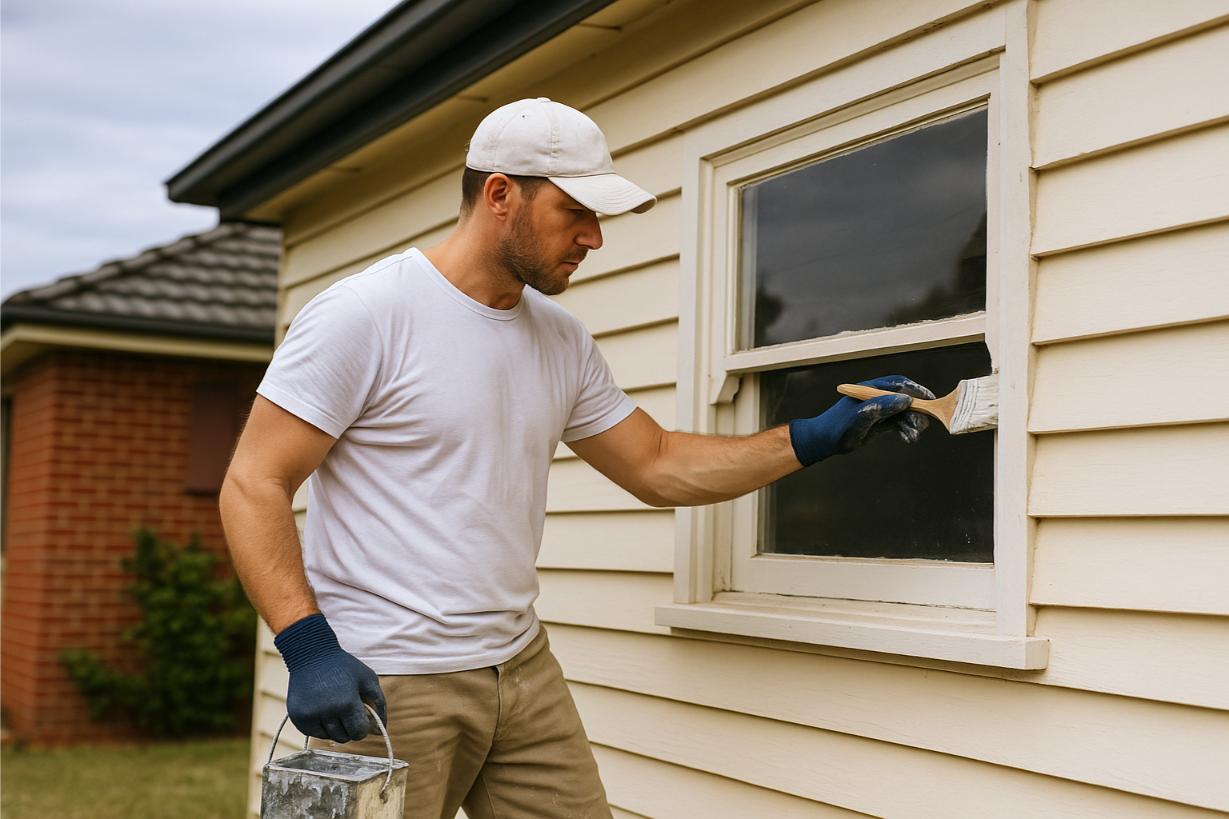
It’s not just hypothetical. The council’s budget documents show that in the next year alone Casey will get 138 new open space sites, 446,480 square metres of public areas including parks, roadside reserves and landscaped corridors. All of these spaces will need painting, maintenance, signage and improvements. These are not multimillion dollar projects that need cranes and corporate tenders. These are jobs that a 3 person painting team from Cranbourne could do, or a family run fencing business in Berwick, or a local carpenter in Narre Warren who coaches junior footy teams on the very oval that’s being earmarked for a $45,000 pavilion touch up.
There’s a deeper reason this makes sense. Local tradies aren’t just labour providers, they’re part of the community they serve. They’re parents, club members and volunteers. Their reputation matters and their work is personal. Unlike remote companies who come in for a week and disappear, local tradies have to live with the result because they’ll see it every Saturday morning at netball, every weekday school drop off and every walk through the park. Meanwhile Casey is under financial pressure. The 2025/26 budget shows a big jump in external contract costs, $17 million more than the previous year, mainly due to construction and waste management. In this climate the council needs every efficiency it can get. Why pour community grant money into admin heavy corporate processes when locals can often deliver the same result for less and more directly?
The population of Casey is expected to hit 429,000 this year and 614,000 by 2046. That kind of growth doesn’t just require more infrastructure, it demands smarter delivery. Small jobs are too often bundled into big, inflexible contracts when they could be done by local small businesses. Imagine if 10% of these minor capital projects were done by local tradies: more jobs, faster delivery and more community pride.
And let’s be honest, local tradies know Casey better than anyone. They know the soil types that bog scaffolding, they know which colours will hold up in the southeast sun and they know which community centre needs an accessible ramp and which mural design would actually speak to the neighbourhood it’s painted in. That local knowledge isn’t a luxury, it’s the missing piece in so many bland, one-size-fits-all upgrades.
To make this work the council needs to lower the barrier to entry. Many tradies aren’t experts in grant writing, nor should they have to be. Council could offer training sessions, create a prequalified trades panel for community groups to access or even facilitate matchmaking between non profits and tradies to co-deliver projects. These aren’t high cost ideas. They’re simple tweaks that could unlock tens of thousands of dollars and more importantly shift the culture towards keeping jobs local.
There’s a clear strategic alignment too. One of the five pillars of Casey’s Council Plan is to foster strong communities, with a focus on inclusivity, social cohesion and locally led renewal. Tradie led upgrades fit that mission perfectly. They support not just the physical built environment but the sense of ownership that comes with seeing familiar faces on site, delivering work you can trust.
This isn’t about charity or cutting corners. It’s about tapping into a skilled workforce already here, ready and willing to be part of the city’s transformation. Casey is full of qualified painters, builders, electricians and landscapers so why keep overlooking them?
If you ask me, the future of Casey’s community infrastructure doesn’t wear a high-vis vest from out of town. It’s already on the tools, right here, just waiting for the call-up.